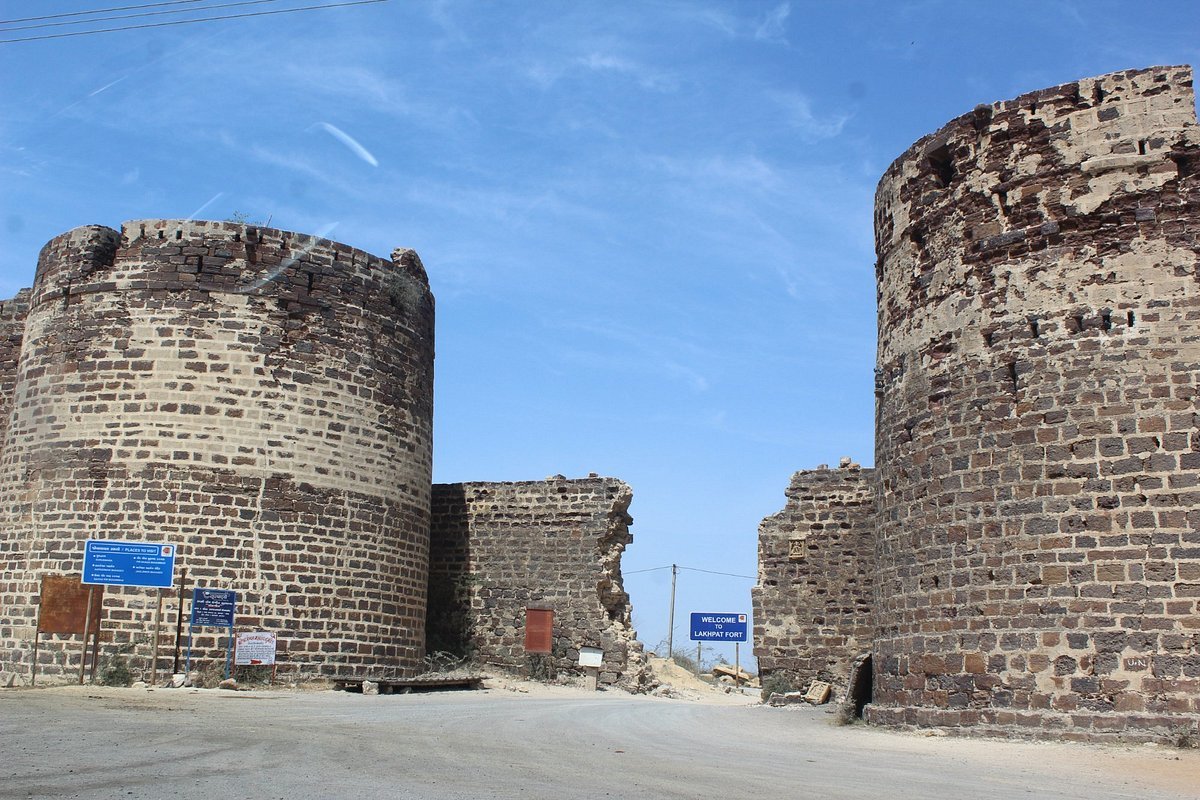
A 7-kilometre ring of 19th-century fortifications guarding a town that time forgot — walk the ramparts above the Kori Creek, visit the sacred Gurudwara linked to Guru Nanak, and stand at the last outpost of India before the Sindh border.
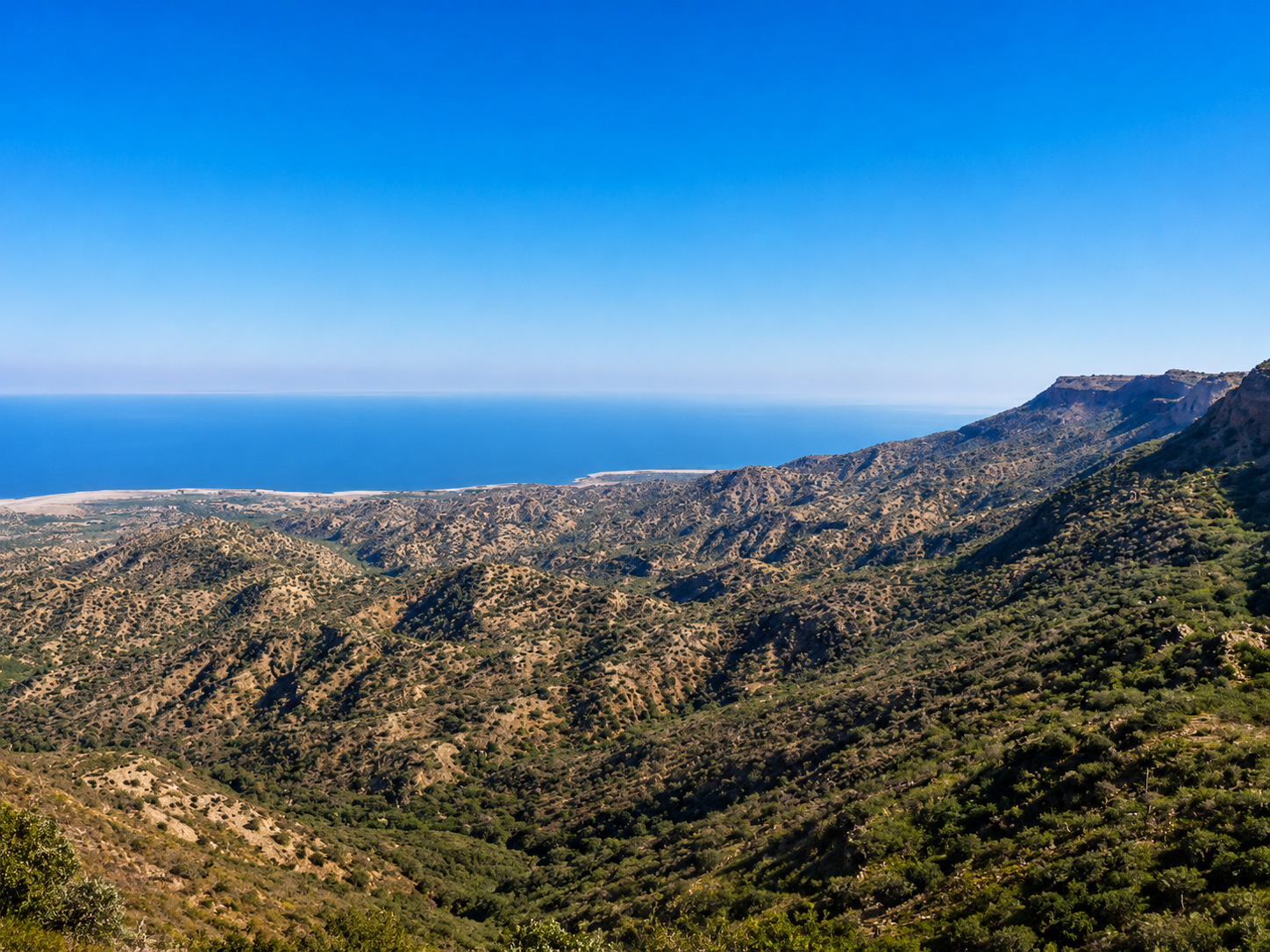
Lakhpat is a fortified ghost town at the far north-western tip of Kutch, sitting where the Kori Creek meets the Great Rann — the very last Indian settlement before the Pakistan border. Its name is said to come from either Rao Lakha, the town's founder, or the daily income of one lakh Koris (a Kutchi currency) it once earned as a flourishing 18th-century sea port trading with Sindh and the Gulf.
The town is ringed by 7 km of fort walls, built around 1801 by Fateh Muhammad, with 26 bastions and four grand gates. Inside, a once-bustling port city of nearly 15,000 people now stands almost empty — a shift in the Indus river's course after an 1819 earthquake silted up the harbour and ended Lakhpat's trading fortunes overnight.
Within the walls stands a 16th-century Gurudwara where Sikhism's founder, Guru Nanak, is believed to have rested twice during his missionary journeys (1506-1513 and 1519-1521) on his way to Mecca. The shrine still holds his wooden sandals and other relics. Nearby, the Dargah of Pir Ghaus Muhammad and the nine-domed mausoleum of Sayyed Pir Shah add to Lakhpat's rare mix of Sikh, Sufi and Hindu heritage — all within one abandoned fort.
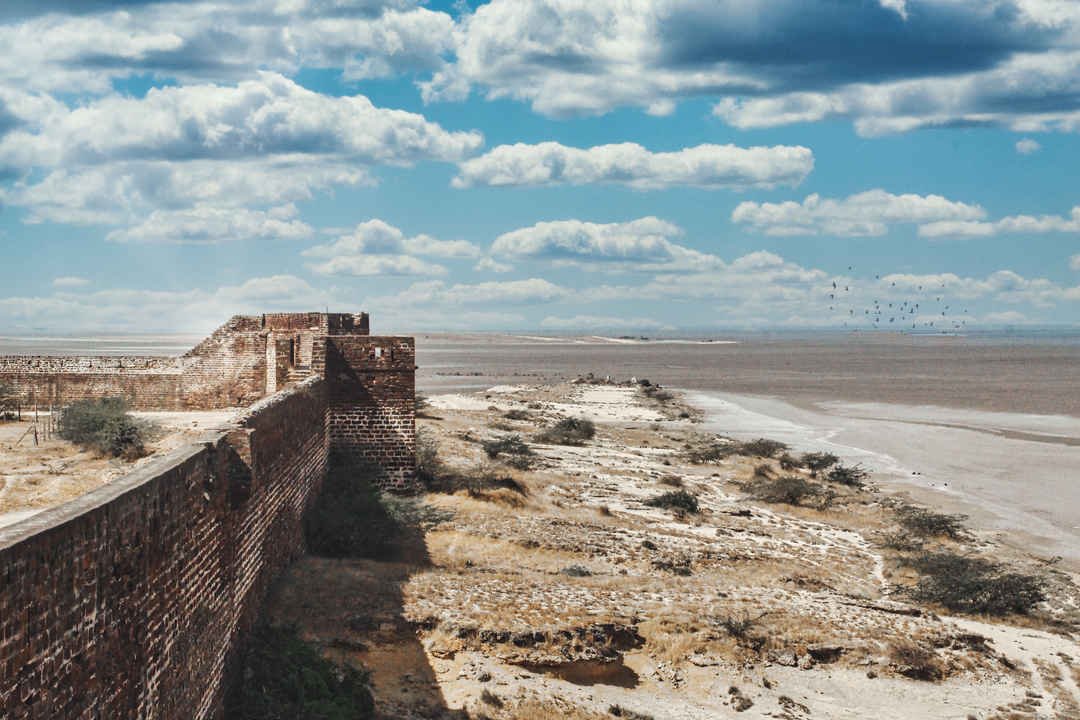
Four essential experiences inside the walled ghost town.
Remote and best combined with Narayan Sarovar as a full westward Kutch day trip.
Local insights to make your visit memorable.
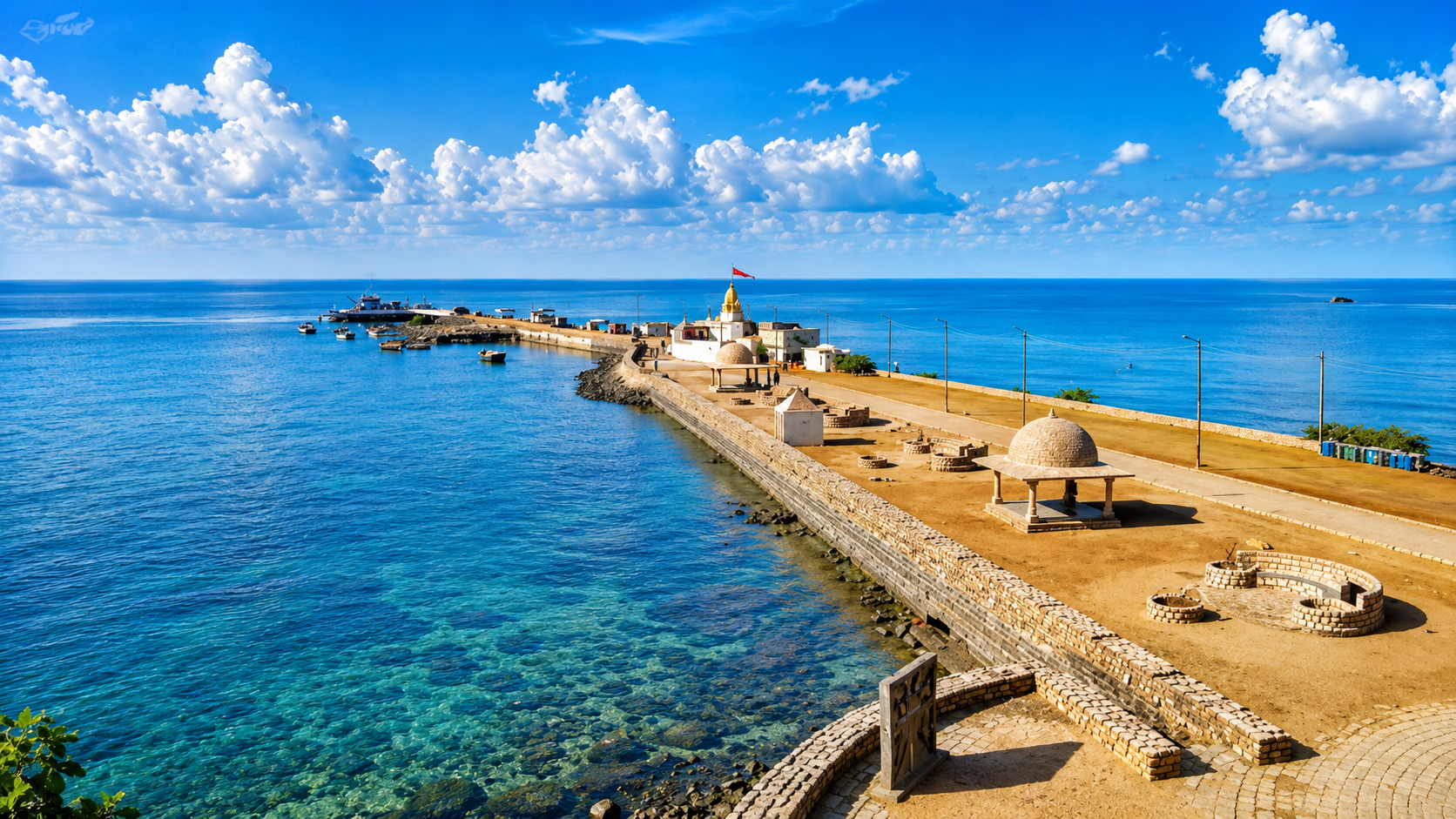
Easily combined with Lakhpat Fort as part of your Kutch itinerary.
Everything you need to know before visiting.
Let our local experts arrange a comfortable day trip to Lakhpat Fort, combined with Narayan Sarovar and Koteshwar Temple — with a private AC vehicle and experienced driver for this remote corner of Kutch.