Ajrakpur — Ajrakh block printing village Kutch with Khatri community
🖨️ Block Printing 12 km from Bhuj 4000-year-old Craft

Ajrakpur
Block Printing

Home of the Ajrakh — a 4,000-year-old hand block printing tradition from the Indus Valley civilization. Just 12 km from Bhuj, this village was rebuilt after the 2001 earthquake by the legendary Khatri family who have practiced this craft for 9+ generations.

NH-42, Bhuj outskirts
~25 min from Bhuj
National Award Artisans
Plan Your Visit
Ajrakpur Craft Tour
Half-day · Workshop Visits
Meet Khatri Family
Live Block Printing Demo
Buy Direct from Artisans
📍
Location Ajrakpur, NH-42
🚗
Distance from Bhuj ~12-15 km · 25 min
🎨
Famous For Ajrakh Block Printing
📅
Established After 2001 Earthquake
About the Destination

4000 Years of Block Printing Heritage

Ajrakpur is a small but extraordinary village just 12-15 km from Bhuj on the Bhuj-Gandhidham Highway (NH-42). It is the modern home of the Khatri community — master artisans who have preserved the ancient Ajrakh hand block printing tradition for over 9 generations. The craft itself dates back to the Indus Valley civilization, more than 4,000 years ago.

The Khatri family originally lived in Dhamadka village, near Bhachau in Kutch, where their ancestors settled in the 16th century during the reign of Rao Bharmal I. After the devastating 2001 Gujarat earthquake destroyed Dhamadka and contaminated its water sources (essential for Ajrakh printing), the community migrated and established Ajrakpur — quite literally building a new village around their craft.

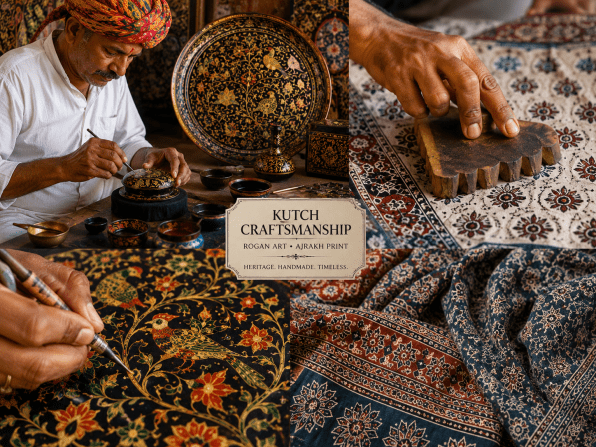
The undisputed master of Ajrakh today is Dr. Ismail Mohammad Khatri — an artisan with a PhD on Ajrakh printing, multiple National Awards, and global recognition. The name "Ajrakh" comes from "Azrak" meaning blue in Arabic, one of the principal colours used. Each Ajrakh fabric goes through an intricate multi-step process of washing, printing with hand-carved teak wood blocks, dyeing with natural plant-based pigments (indigo, madder, harda), and boiling — taking weeks to complete.
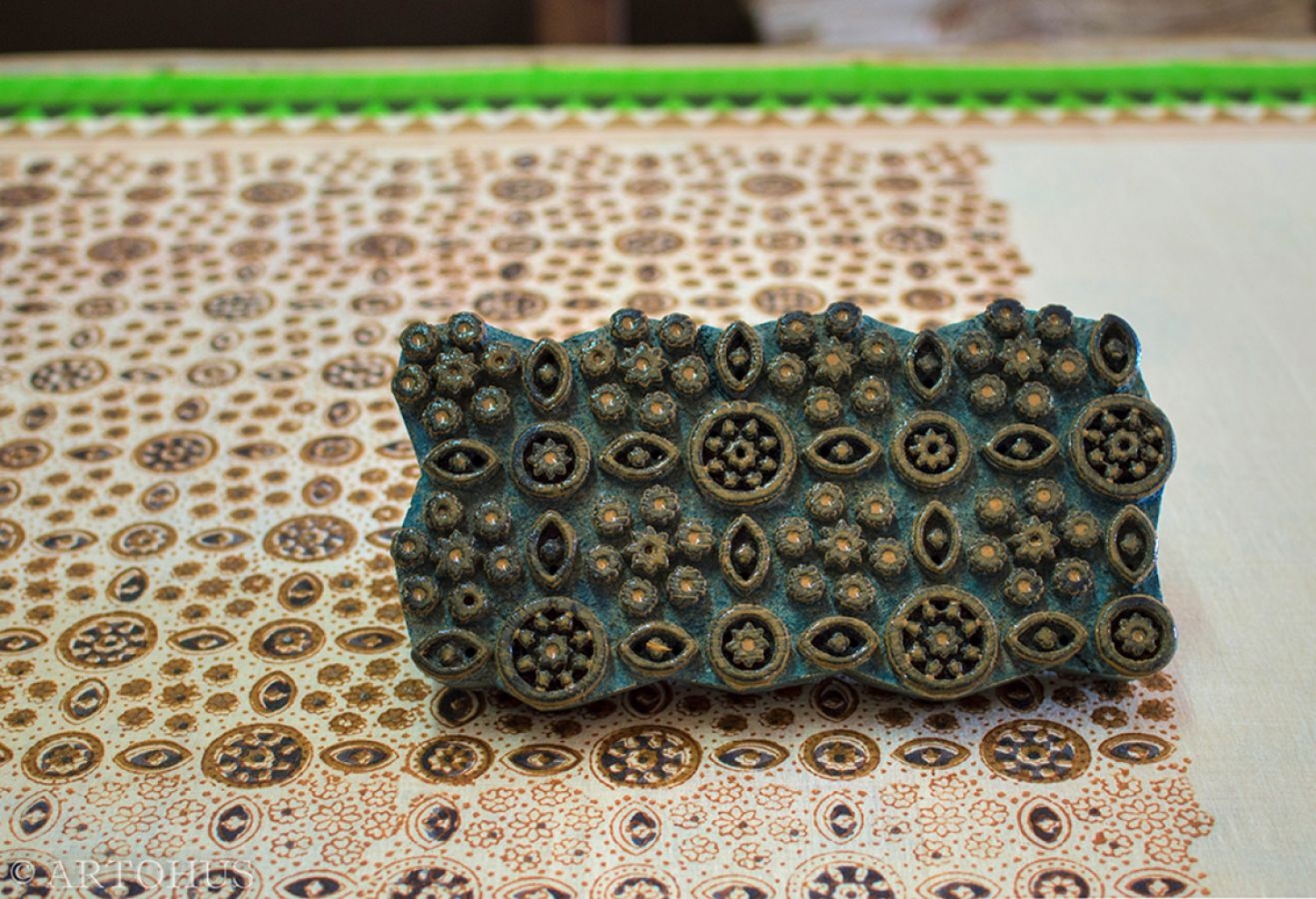
Ajrakh block printing process — Khatri family workshop Ajrakpur Kutch

Things to Do at Ajrakpur

Six experiences for craft enthusiasts and textile lovers.

🖨️
Watch Block Printing Live
See the magic happen — master artisans stamp hand-carved teak wood blocks onto fabric with rhythmic precision, building intricate geometric patterns one block at a time.
🌿
Natural Dye Process
Learn about plant-based natural dyes — indigo for blue, madder for red, harda for yellow, pomegranate skins, iron filings — and the multi-day washing, dyeing, and drying process.
📚
Meet Dr. Ismail Khatri
By appointment, meet Dr. Ismail Khatri or his son Sufiyan — globally recognized Ajrakh masters. Watch the video they show about the craft's history, journey from Sindh, and revival in Ajrakpur.
🪵
See the Wooden Blocks
View thousands of hand-carved teak wood blocks — each one a meticulously crafted design tool. Many are decades old and represent traditional motifs passed down through generations.
🛍️
Shop Authentic Ajrakh
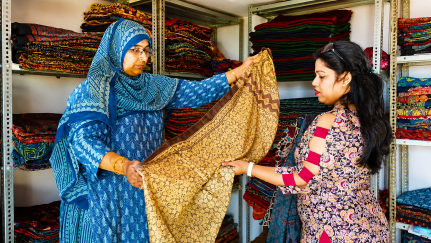
Buy directly from the Khatri workshop — sarees, dupattas, shawls, fabrics, home furnishings, rugs, and accessories. All real Ajrakh using natural dyes (much higher quality than mass-market imitations).
🎓
Educational Tours
A favourite for design students from NID, NIFT, and international fashion schools. Educational tours give you a deep understanding of how textile design has evolved over 4,000 years.

How to Reach Ajrakpur

Easily accessible from Bhuj — perfect short trip.

✈️
By Air
Bhuj Airport (BHJ) is the nearest airport — just ~15 km from Ajrakpur. Direct flights from Mumbai. Easy 20-minute taxi ride.
🚆
By Train
Bhuj Railway Station — direct trains from Mumbai, Ahmedabad, Delhi. Just ~12 km from station to Ajrakpur via NH-42. Quick taxi/auto ride.
🚗
By Road
From Bhuj: ~12-15 km via Bhuj-Gandhidham Highway (NH-42). Just 20-25 minute drive. The neighbouring craft village of Bhujodi is only 3 km from Ajrakpur — easy to combine.
📅
Best Time to Visit

Year-Round — October to March Most Comfortable

Ajrakpur is open year-round, but October to March offers the most pleasant weather. Visit on weekdays when artisans are actively working in their workshops. Mornings (10 AM to 1 PM) are best — you can see the full printing process, blocks being used, and have time to chat with the artisans. Always book an appointment with Dr. Ismail Khatri or Sufiyan in advance for a personalized experience.

Travel Tips for Ajrakpur

Make your block printing village visit truly memorable.

📞
Book in AdvanceWorkshops welcome visitors but it's best to book ahead — we arrange appointments with Dr. Ismail Khatri or Sufiyan for a guided experience.
💰
Carry CashAuthentic Ajrakh fabrics can be pricey (₹2,000 - ₹50,000+) but worth every rupee. Some workshops accept UPI/cards; carry cash as backup.
🛡️
Buy Authentic OnlyReal Ajrakh uses only natural dyes (smell is earthy, colours have depth). Avoid cheap imitations sold elsewhere with synthetic dyes.
⏱️
Allow 2-3 HoursRushing through is unfair. Watch the full block printing process, learn the natural dyeing science, and have meaningful conversations.
📸
Ask Before PhotographingAlways seek permission before photographing artisans at work. Most are happy to be photographed; some prefer not to be.
🔗
Combine with BhujodiBhujodi craft village (weavers and printers) is just 3 km away — perfect to combine into a half-day craft trail.

Nearby Attractions

Combine Ajrakpur with these incredible nearby destinations.
Ajrakpur — Frequently Asked Questions

Everything you need to know before visiting.

How far is Ajrakpur from Bhuj?+
Ajrakpur is approximately 12-15 km from Bhuj on the Bhuj-Gandhidham Highway (NH-42). The drive takes about 20-25 minutes, making it one of the easiest craft village visits in Kutch.
What is Ajrakh block printing?+
Ajrakh is a 4,000-year-old traditional hand block printing craft from the Indus Valley civilization. The word "Azrak" means blue in Arabic — one of the principal colours. The process uses hand-carved teak wood blocks and natural plant-based dyes (indigo, madder, harda) through a multi-step washing, printing, dyeing, and boiling process. Each fabric takes weeks to complete.
Who is Dr. Ismail Khatri?+
Dr. Ismail Mohammad Khatri is the most celebrated Ajrakh master craftsman in India. He represents the 9th generation of the Khatri family who brought Ajrakh from Sindh to Kutch in the 16th century. He holds a PhD on the subject and has won multiple National and International Awards. He led the migration to Ajrakpur after the 2001 earthquake. Visitors can meet him or his son Sufiyan Khatri by appointment.
Why was Ajrakpur established?+
The Khatri Ajrakh community originally lived in Dhamadka village, near Bhachau. After the devastating 2001 Gujarat earthquake, the village was destroyed and the water sources got contaminated with high iron content (which damages Ajrakh prints). The community, led by Dr. Ismail Khatri, migrated and built a new village specifically suited for their craft — naming it "Ajrakpur" (meaning "Town of Ajrakh"). It became operational in 2003-2004.
Can I visit the workshops?+
Yes — workshops welcome visitors, but it's best to book in advance. The Khatri family workshop is the most famous, but several other Khatri family workshops also welcome guests. They show videos with English subtitles about the history, give workshop tours, and demonstrate live block printing. We help arrange appointments.
How much does authentic Ajrakh cost?+
Authentic Ajrakh prices vary widely: Stoles/scarves ₹500-3,000, dupattas ₹2,000-8,000, sarees ₹5,000-30,000+, fabrics/rugs ₹3,000-50,000+. The more complex the design, more natural dyes used, and finer the fabric, the higher the price. Buying directly from the Khatri family ensures authenticity and supports the craft.
How is real Ajrakh different from machine prints?+
Authentic Ajrakh is hand block printed with natural dyes — smell is earthy (no chemical odour), colours have depth and slight variation, slight imperfections show human craftsmanship, the fabric is softer with each wash. Machine-printed imitations use synthetic dyes (chemical smell), have perfectly uniform colours, look "too perfect", and don't soften over time. The price difference reflects the labour, skill, and authenticity.
Can I combine Ajrakpur with other craft villages?+
Absolutely — most travellers do. Bhujodi (weaving) is just 3 km from Ajrakpur. Nirona Village (Rogan Art, copper bells) is ~50 km away. Hodka (Banni embroidery) is ~50 km. We design full craft trail tours covering 3-4 villages in one or two days, with comfortable transport and pre-booked workshop visits.
4000 Years of Living Heritage

Plan Your Ajrakpur Craft Visit

Let our local experts arrange your Ajrakpur visit — pre-booked workshop tours with the Khatri family, live block printing demonstrations, combined craft-trail tours, and the perfect introduction to Kutch's textile heritage. WhatsApp us for a custom itinerary.
Ajrakpur · Ajrakh12 km from Bhuj
WhatsApp Call