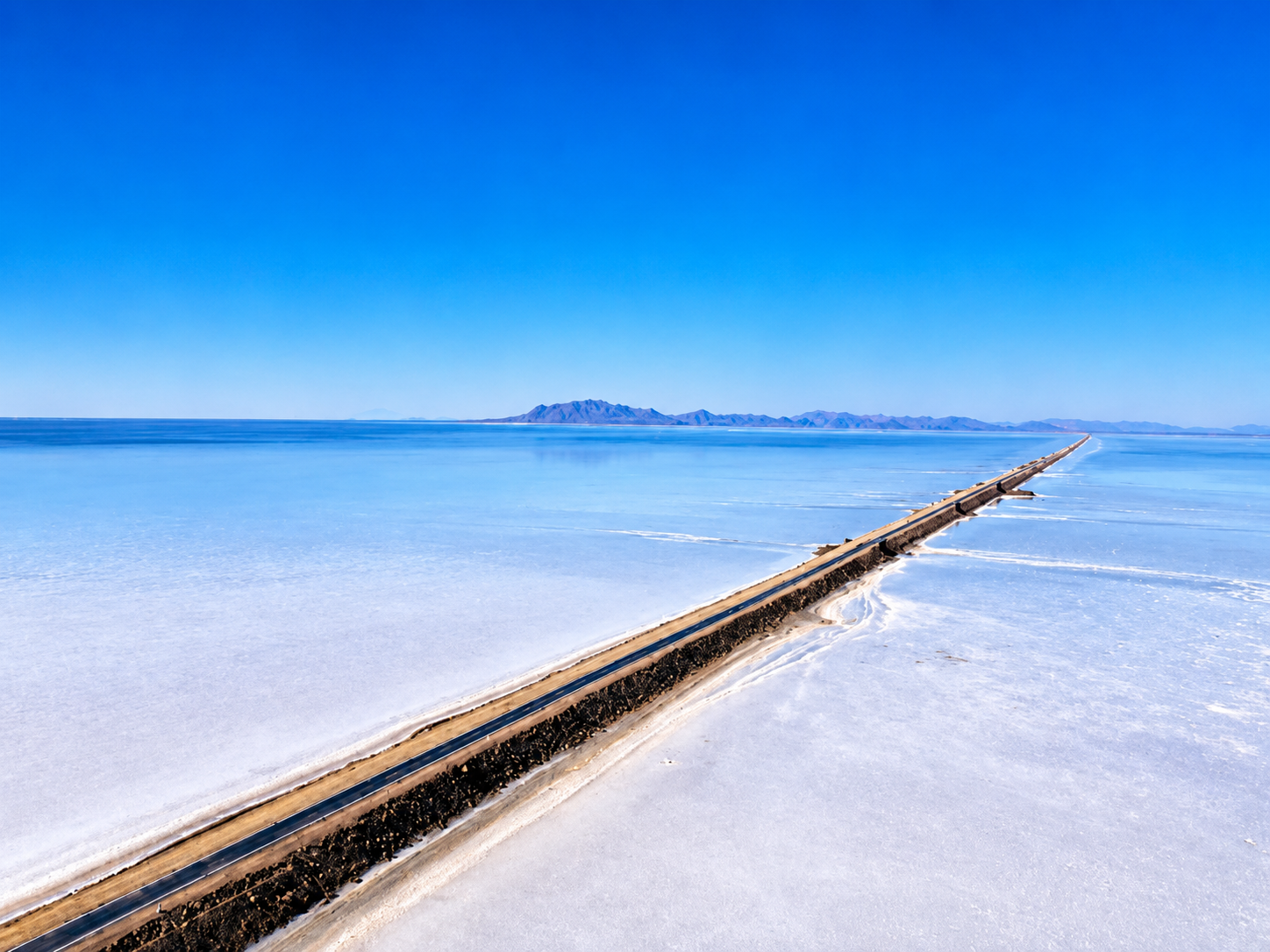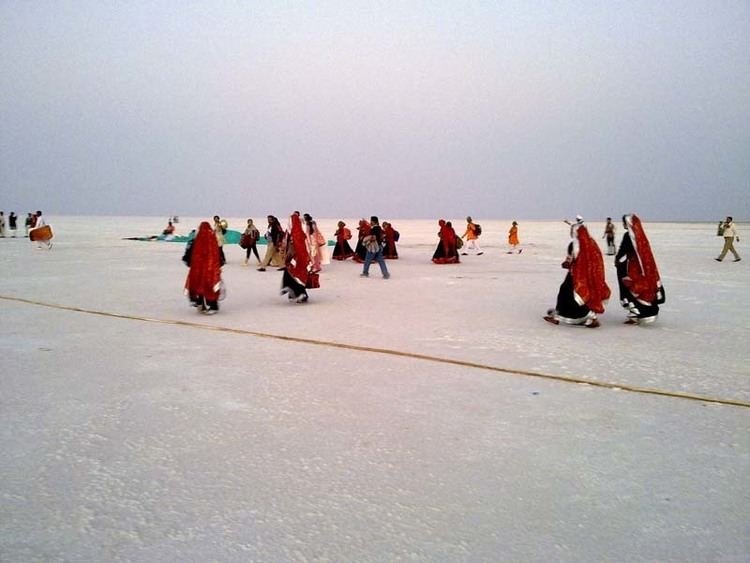
Khavda Village — Ancient Kumbhar Pottery on the Road to the Rann
🏺 Pottery Village Gateway to White Rann Kumbhar Craft

Khavda Village
Terracotta & Ajrakh

The last major village before the White Rann — home to the Kumbhar potters whose hand-painted black, white and red terracotta follows patterns unchanged since the Indus Valley civilization.

Khavda, Northern Kutch
1-2 Hours
Harappan-Style Pottery
Plan Your Visit
Khavda Village Tour
En-route Stop · White Rann Trips
Kumbhar Pottery Workshops
Ajrakh Textile Stalls
Last Stop Before Rann
📍
Location Khavda, Kutch
🚗
Distance from Bhuj ~70-80 km (2 hrs)
📅
Best Time Oct – Mar
🎫
Entry Free (Workshops)
About the Destination

Where Terracotta Follows an Ancient Blueprint

Khavda is a village roughly 70-80 km north of Bhuj, best known as the traditional last stop for travellers before the White Rann — and as home to the Kumbhar potter community, whose terracotta craft is said to echo pottery styles from the nearby Harappan site of Dholavira.

Khavda's potters shape local clay into matka (water pots), ketli (kettles) and kulada (buttermilk containers) on a hand-turned wheel, then coat each piece with geru — a natural red-earth pigment — before painting distinctive black-and-white geometric dots and stripes using tools as simple as a twig or matchstick. The resulting pieces carry a striking, unmistakably Kutchi character found nowhere else in India.

Beyond pottery, Khavda is home to Ajrakh block-printing families, leathercraft artisans, and — for the adventurous — serves as the jumping-off point for reaching the seasonal flamingo breeding colony deep in the Rann, one of the largest in the world, accessible only by camel cart or 4x4 with special permission.
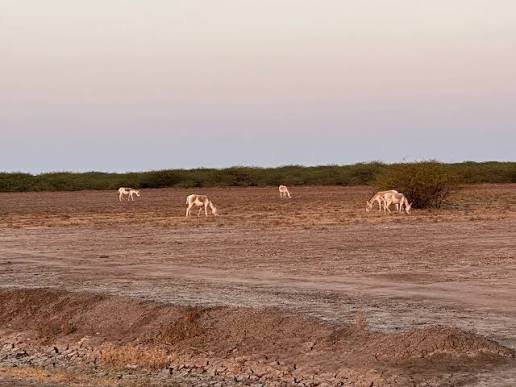
Kumbhar potter hand-painting terracotta in Khavda village Kutch

Things to Do in Khavda Village

Three reasons to stop in Khavda on your way to the White Rann.

🏺
Watch Kumbhar Potters at Work
Visit a Kumbhar family workshop to see clay pots hand-thrown on the wheel and painted with fine black-and-white geometric patterns using traditional tools.
🧵
Browse Ajrakh & Leathercraft
Khavda is also home to Ajrakh block-printing families and leatherworkers — pick up textiles and leather goods straight from the makers.
🦩
Gateway to the Flamingo Colony
Khavda is the traditional base for reaching the remote seasonal flamingo breeding colony in the Rann — ask locally about camel-cart or permitted 4x4 access.

How to Reach Khavda Village

A natural stop on the road between Bhuj and the White Rann.

✈️
By Air
Bhuj Airport (BHJ) is the nearest airport, roughly 70-80 km away, connected to Mumbai.
🚆
By Train
Bhuj Railway Station is the nearest railhead. Onward travel to Khavda is by road only.
🚗
By Road
~70-80 km from Bhuj (around 2 hours), directly on the route to the White Rann / Dhordo — most tours stop here en route.
📅
Best Time to Visit

October to March — Comfortable Weather for Village Walks

Khavda is best visited October to March, when cooler weather makes it pleasant to walk between workshops. Since it lies directly on the way to the White Rann and Rann Utsav Tent City, most visitors combine it as a short stop during that journey rather than a standalone trip.

Travel Tips for Khavda Village

Local insights to make your visit memorable.

🚗
Combine with White RannKhavda sits directly on the road to Dhordo and the White Rann — plan it as a stop on that journey rather than a separate trip.
💰
Carry CashSmall workshops and roadside stalls in Khavda typically accept cash only.
🥤
Grab a Bite HereKhavda is a popular stop for travellers to refuel and grab local snacks before the final stretch to the Rann.
📸
Ask Before PhotographingAs with any working artisan village, ask permission before photographing potters or their homes.

Nearby Attractions

Easily combined with Khavda Village as part of your Kutch itinerary.
Khavda Village — Frequently Asked Questions

Everything you need to know before visiting.

What is Khavda village famous for?+
Khavda is famous for its Kumbhar community pottery — hand-painted black, white and red terracotta pots made using techniques said to echo the nearby Harappan site of Dholavira. It's also known for Ajrakh textiles and leathercraft.
How far is Khavda from Bhuj?+
Khavda is approximately 70-80 km from Bhuj, about a 2-hour drive, and sits directly on the route to the White Rann and Dhordo Tent City.
What can I buy in Khavda?+
The village is best known for hand-painted terracotta pottery — bowls, pots, urns and plates. You can also find Ajrakh block-printed textiles and leathercraft goods.
Can I see the flamingo colony from Khavda?+
Khavda is the traditional base for reaching the remote seasonal flamingo breeding colony deep in the Rann, though access requires local arrangement via camel cart or permitted 4x4 — ask your tour operator in advance.
Should I visit Khavda as a separate trip?+
Not usually — since Khavda lies directly on the road to the White Rann, most travellers combine it as a short en-route stop rather than a standalone destination.
What is the best time to visit Khavda?+
October to March offers the most comfortable weather for walking between pottery workshops, and coincides with the Rann Utsav season when most travellers pass through anyway.
The Last Village Before the White Desert

Add Khavda to Your White Rann Journey

We can build in a stop at Khavda's pottery workshops as part of your White Rann or Rann Utsav tour — see the Kumbhar craft in action on your way to the salt desert.
Khavda · Pottery VillageGateway to White Rann
WhatsApp Call